 CitedAnswers
 August 4, 2026 · 5 min read · The CitedAnswers Team
Australia Has Nine Legal Systems in One Country: Here's How Law Students Use CitedAnswers to Navigate Them
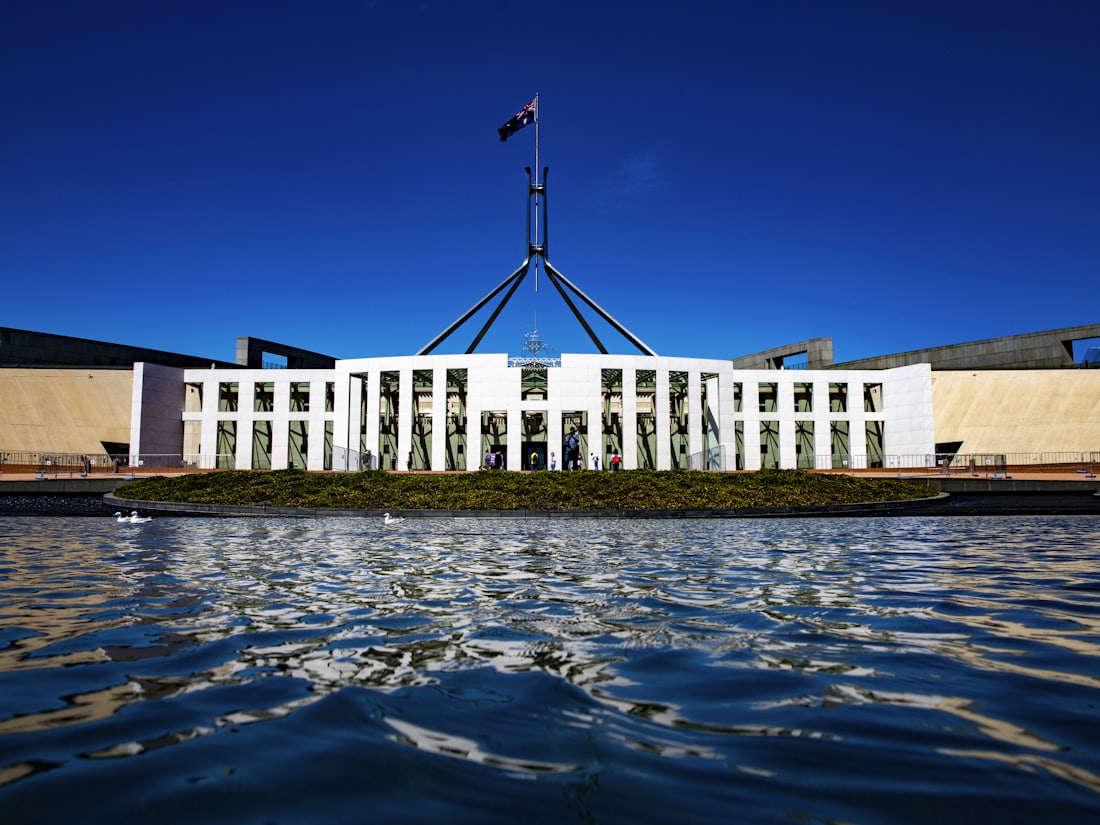
Australia isn't one legal system. It's nine. On top of the Commonwealth Parliament, six states and two territories each pass their own Acts, and for many of the topics that matter most day to day, tenancy, employment, land, small claims, it's the state Act that actually governs, not anything federal. For a law student, the first real skill isn't reading legislation. It's working out which legislation applies in the first place.
CitedAnswers indexes legislation for all nine Australian jurisdictions: New South Wales, Victoria, Queensland, Western Australia, South Australia, Tasmania, the Northern Territory, the ACT, and the Commonwealth, plus real Australian case law linked alongside each one, so a plain-English question can be pointed at exactly the jurisdiction that matters, or compared across two.
The same question, two different answers
Here's what that looks like on a real question: "Can my landlord keep my bond?", asked once against New South Wales, and once against Victoria.
In Victoria, the answer is clean: under Section 411AB(1) of the Residential Tenancies Act 1997, a landlord can claim against the bond for damage beyond fair wear and tear, unpaid rent, cleaning, or altered locks: one Act, one section.
In New South Wales, the real answer is messier, correctly so: "bond" isn't governed by one Act at all. Retail tenancies sit under the Retail Leases Act 1994, boarding houses under the Boarding Houses Act 2012, and general residential bonds sit with the Rental Bond Board under the Property and Stock Agents Act 2002: three different regimes depending on what kind of tenancy it actually is, a split a keyword search alone would likely miss entirely.
Both answers cite the same case: Young v Chief Executive Officer (Housing) [2023] HCA 31. That's not a coincidence: state legislation diverges from state to state, but a High Court of Australia decision sits above all nine jurisdictions at once. Seeing that distinction show up directly in two real answers is a genuinely useful way to feel out how Australian federalism actually works, not just read about it.
Built for how law students actually work
CitedAnswers isn't a substitute for learning to read legislation properly. It's a fast way to orient before you do. Point a question at a specific state to see which Act actually governs a topic there, open the actual section instead of a summary of it, and see the actual case behind a principle instead of taking a textbook's word for it. Comparing two jurisdictions side by side, exactly what a comparative law assignment or a moot on interstate conflict of laws asks for, works the same way: just name both jurisdictions in the question, and a Comparison Report is offered automatically. Every citation is clickable, every jurisdiction is real, and nothing here is legal advice: it's a starting point for the actual reading, not a replacement for it.
Try it now
All nine Australian jurisdictions are free to search on CitedAnswers, no account needed for a quick question. Ask something real, about a bond, a lease, or an employment dispute, and see which Act actually governs it, and how courts, state or High Court, have applied it.